


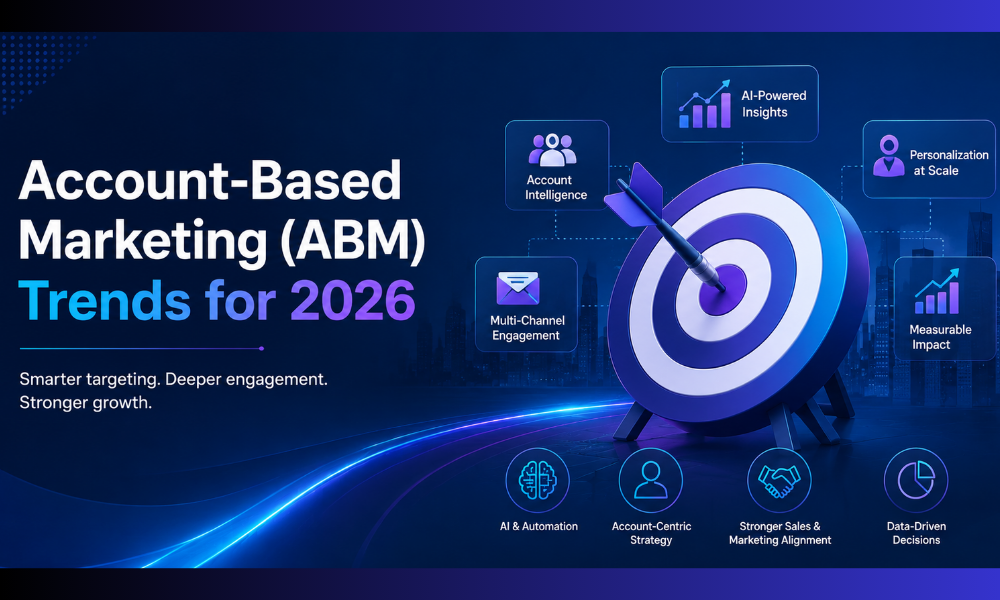
Account-Based Marketing is becoming one of the most powerful strategies in modern B2B marketing. Instead of targeting broad audiences, businesses are focusing on high-value accounts and creating personalized experiences designed specifically for key decision-makers.
As B2B buying journeys become more complex, companies are investing more heavily in targeted content, AI-driven engagement, and multi-channel communication strategies.
Businesses that hire content marketer professionals and outsource content marketing initiatives are increasingly building scalable ABM systems that improve personalization, strengthen customer relationships, and drive higher-quality conversions.
Personalization Is Becoming the Foundation of ABM
Personalization is no longer a competitive advantage in ABM—it is becoming an expectation. Modern B2B buyers want communication that directly addresses their industry, challenges, business goals, and operational needs. Generic campaigns are becoming less effective because decision-makers expect highly relevant experiences.
ABM strategies in 2026 are focusing heavily on account-specific messaging, customized content journeys, and personalized communication across every customer touchpoint. Businesses working with a content marketer for hire often create targeted content ecosystems designed specifically for high-value accounts and niche audience segments.
AI Is Transforming Account Targeting
Artificial intelligence is playing a major role in the evolution of Account-Based Marketing. AI systems can analyze behavioral signals, intent data, engagement history, and firmographic insights to identify which accounts are most likely to convert. This allows businesses to focus resources on high-intent prospects rather than wasting effort on low-priority accounts.
Organizations that outsource content creation are increasingly combining AI-driven targeting with personalized content strategies to improve campaign efficiency and conversion quality. AI-powered ABM systems are helping businesses make smarter and more data-driven marketing decisions.
Content Is Becoming More Account-Centric
Content in ABM campaigns is becoming increasingly personalized and account-focused. Instead of creating generalized marketing materials, businesses are developing customized case studies, personalized landing pages, industry-specific resources, and executive-level insights tailored to individual accounts. This shift helps businesses build stronger trust and relevance with decision-makers.
Companies that hire content marketer professionals are focusing on creating highly strategic content experiences that align with the priorities and challenges of target accounts. Account-centric content improves engagement and strengthens long-term relationship-building.
Sales and Marketing Alignment Is Becoming Essential
One of the most important ABM trends for 2026 is stronger collaboration between marketing and sales teams. Successful ABM strategies require both departments to work together closely to identify opportunities, share account insights, and create unified customer experiences. Disconnected communication between teams often leads to inconsistent messaging and reduced campaign effectiveness.
Businesses that outsource content marketing are increasingly developing integrated workflows where sales outreach, content strategy, and customer engagement operate as part of a connected ABM system. Better alignment improves efficiency, engagement quality, and conversion performance.
Multi-Channel Engagement Is Driving Better Results
Modern B2B buyers engage with brands across multiple channels before making purchasing decisions. As a result, ABM campaigns are becoming more multi-channel and experience-driven. Businesses are now combining email campaigns, LinkedIn engagement, webinars, thought leadership content, personalized ads, and interactive experiences to stay connected with target accounts throughout the buyer journey.
Organizations working with a content marketer for hire often focus on building consistent messaging strategies that perform effectively across all digital platforms and customer touchpoints. Multi-channel engagement creates stronger brand visibility and improves long-term account nurturing.
Intent Data Is Becoming More Valuable
Intent data is becoming one of the most important assets in modern Account-Based Marketing strategies. Businesses are increasingly using behavioral signals and research activity to identify when target accounts are actively exploring solutions or preparing to make purchasing decisions. This allows marketing and sales teams to engage prospects at the right time with highly relevant messaging and content.
Companies that hire content marketer professionals are creating intent-driven content strategies designed to support buyers during critical stages of the decision-making process. Intent-based engagement improves timing, targeting accuracy, and campaign performance.
Thought Leadership Is Strengthening ABM Strategies
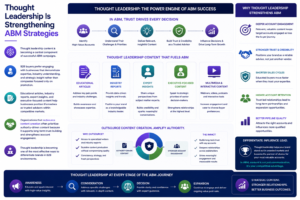
Thought leadership content is becoming a central component of successful ABM campaigns. B2B buyers prefer engaging with businesses that demonstrate expertise, industry understanding, and strategic insight rather than companies focused only on promotion. Educational articles, industry reports, expert insights, and executive-focused content are helping businesses position themselves as trusted advisors within competitive markets.
Organizations that outsource content creation often prioritize authority-driven content because it supports long-term trust-building and strengthens account engagement. Thought leadership is becoming one of the most effective ways to differentiate brands in B2B environments.
ABM Automation Is Expanding Rapidly
As ABM strategies become more complex, automation is becoming essential for scalability. Managing personalized campaigns manually across multiple accounts can quickly become operationally difficult. Automation platforms help businesses streamline lead nurturing, account engagement, reporting, and personalized communication workflows.
Businesses that outsource content marketing are increasingly integrating automation systems into ABM strategies to improve efficiency while maintaining personalized customer experiences. Automation allows businesses to scale account engagement more effectively without sacrificing quality.
Video and Interactive Content Are Becoming More Important
Visual and interactive content formats are gaining significant influence in modern ABM strategies. Decision-makers are engaging more with webinars, interactive demos, video case studies, and personalized presentations than with traditional static content alone. This trend is changing how businesses communicate value and build relationships with high-value accounts.
Companies working with a content marketer for hire are increasingly investing in multimedia content strategies designed to improve engagement and create more memorable customer experiences. Interactive content helps businesses stand out in highly competitive B2B industries.
Customer Experience Is Shaping Future ABM Campaigns
Customer experience is becoming one of the biggest drivers of ABM success. Modern B2B buyers expect seamless, personalized, and valuable interactions across every stage of the customer journey. Businesses that fail to deliver consistent experiences across channels may struggle to maintain engagement with target accounts.
Organizations that outsource content creation are increasingly building customer-centric content ecosystems designed to support relationship-building rather than focusing only on short-term lead generation. Strong customer experiences improve retention, loyalty, and long-term account value.
Data-Driven Decision-Making Is Becoming More Advanced
ABM strategies are becoming increasingly dependent on advanced analytics and performance tracking. Businesses are moving beyond vanity metrics and focusing more on account engagement quality, sales velocity, customer retention, and pipeline influence. This allows organizations to measure the real business impact of ABM campaigns more accurately.
Companies that hire content marketer professionals often combine performance analysis with ongoing content optimization to improve long-term campaign effectiveness. Data-driven strategies are becoming essential for scalable and sustainable ABM growth.
The Future of ABM Is Highly Integrated
The future of Account-Based Marketing is becoming more connected, automated, and intelligence-driven. CRM systems, AI tools, automation platforms, analytics systems, and content strategies are increasingly working together as part of unified ABM ecosystems. This integration allows businesses to manage customer journeys more strategically while improving personalization and operational efficiency.
Organizations that outsource content marketing are increasingly building integrated systems where content creation, account engagement, automation, and sales outreach operate together seamlessly. Integrated ABM ecosystems are becoming the foundation of modern B2B growth strategies. Account-Based Marketing in 2026 will be driven by personalization, AI-powered targeting, multi-channel engagement, and expertise-focused content strategies.
Businesses that invest in highly targeted customer experiences and intelligent engagement systems will be better positioned to attract and retain high-value accounts. Whether companies choose to hire content marketer, collaborate with a content marketer for hire, outsource content marketing, or focus on outsource content creation, the long-term goal remains the same—building meaningful and strategic relationships with key decision-makers.
Predictive Analytics Will Strengthen ABM Campaigns
Predictive analytics is becoming one of the most influential trends in Account-Based Marketing. Businesses are increasingly using AI-powered systems to analyze customer behavior, engagement patterns, and historical data to predict which accounts are most likely to convert. This allows marketing and sales teams to focus their efforts on high-value opportunities instead of spreading resources too broadly.
Companies that hire content marketer professionals are increasingly combining predictive analytics with personalized content strategies to improve targeting accuracy and campaign performance. Predictive ABM strategies help businesses create more efficient and data-driven customer acquisition systems.
Hyper-Personalized Content Will Become Standard
ABM campaigns in 2026 are moving far beyond basic personalization. Businesses are now creating hyper-personalized experiences tailored specifically to individual companies, departments, and decision-makers. This includes customized landing pages, personalized outreach campaigns, industry-focused case studies, and role-specific messaging.
Organizations that outsource content marketing often build advanced personalization frameworks designed to make every interaction feel highly relevant to the target account. Hyper-personalization improves engagement because buyers are more likely to respond to messaging that directly reflects their business challenges and goals.
First-Party Data Will Become More Important
As privacy regulations continue evolving and third-party tracking becomes more limited, first-party data is becoming increasingly valuable for ABM strategies. Businesses are focusing more on collecting and using their own customer insights through website interactions, email engagement, CRM activity, and direct customer communication. This allows companies to build more reliable and privacy-focused targeting strategies.
Businesses working with a content marketer for hire are increasingly developing content systems that encourage direct engagement and first-party data collection through webinars, downloadable resources, and personalized content experiences. Strong first-party data strategies will become a critical part of successful ABM campaigns.
Relationship-Based Marketing Will Gain More Attention
ABM is increasingly shifting toward long-term relationship-building rather than short-term lead generation alone. B2B buyers prefer working with companies that consistently provide value, expertise, and strategic support over time. As a result, businesses are focusing more on nurturing relationships through educational content, personalized communication, and ongoing engagement.
Organizations that hire content marketer professionals are creating relationship-focused content ecosystems designed to support buyers throughout the entire customer lifecycle. This approach improves trust, retention, and long-term account growth.
Content Distribution Will Become More Strategic
Creating high-quality content is no longer enough on its own. Distribution strategies are becoming equally important in modern ABM campaigns. Businesses are investing more in strategic content placement across platforms such as LinkedIn, email campaigns, industry communities, webinars, and executive networks.
Companies that outsource content creation are increasingly focusing on multi-platform distribution systems designed to maximize visibility among target accounts. Strategic distribution ensures that personalized content reaches the right decision-makers at the right stage of the buying journey.
Executive-Level Content Will Increase in Importance
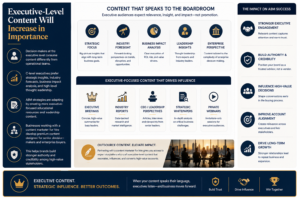
Decision-makers at the executive level consume content differently from operational teams. C-level executives often prefer strategic insights, industry forecasts, business impact analysis, and high-level thought leadership rather than technical promotional content. ABM strategies are adapting by creating more executive-focused educational resources and leadership content.
Businesses working with a content marketer for hire are increasingly developing premium content designed specifically for senior decision-makers and enterprise buyers. This helps brands build stronger authority and credibility among high-value stakeholders.
Community-Driven Engagement Will Influence ABM
B2B communities and professional networks are becoming more influential in purchasing decisions. Buyers are increasingly relying on peer recommendations, industry conversations, and trusted professional communities when evaluating vendors and solutions. ABM strategies are beginning to incorporate community engagement as part of broader relationship-building efforts.
Organizations that outsource content marketing are increasingly creating community-focused content strategies designed to strengthen brand visibility within professional networks and niche industry groups. Community-driven engagement helps businesses build credibility organically.
Video Personalization Will Expand in ABM Campaigns
Personalized video content is becoming more popular in Account-Based Marketing because it creates more engaging and human-centered communication experiences. Businesses are using personalized videos for account outreach, onboarding experiences, executive communication, and customer education. This trend is helping companies create stronger emotional connections with target accounts.
Companies that hire content marketer professionals are increasingly integrating video storytelling into ABM strategies to improve engagement and differentiate their brand from competitors. Video personalization creates more memorable customer experiences.
ABM Reporting Will Become More Revenue-Focused
Traditional marketing metrics are becoming less important in modern ABM strategies. Businesses are now focusing more heavily on metrics tied directly to business outcomes, such as:
Pipeline influence
Revenue contribution
Account engagement quality
Customer retention
Expansion opportunities
This shift is helping organizations better understand the long-term value of ABM investments. Businesses that outsource content creation often integrate advanced analytics systems into their ABM strategies to track performance more accurately and optimize campaigns continuously. Revenue-focused reporting creates stronger alignment between marketing and business growth objectives.
Customer Retention Will Become Part of ABM Strategy
ABM is no longer focused only on acquiring new accounts. Businesses are increasingly using ABM strategies to strengthen relationships with existing customers, improve retention, and identify expansion opportunities within current accounts. This includes personalized customer education, executive engagement, strategic upselling content, and account-specific nurturing campaigns.
Organizations that hire content marketer professionals are developing retention-focused ABM strategies designed to increase customer lifetime value and long-term loyalty. Customer expansion and retention are becoming major priorities in B2B growth strategies.
The Human Element Will Remain Essential in ABM
Although automation and AI are becoming more advanced, human expertise and relationship-building remain critical in Account-Based Marketing. Technology helps businesses scale personalization and improve targeting, but meaningful relationships still depend on authentic communication and strategic understanding.
Businesses that outsource content marketing successfully often combine automation with human-driven creativity, storytelling, and customer engagement. The most effective ABM strategies in 2026 will balance intelligent technology with genuine relationship-building.