


Search engines are evolving faster than ever. Users are no longer scrolling through pages of search results to find information. Instead, they are receiving direct answers through featured snippets, AI-generated summaries, and conversational search experiences.
This shift is changing how businesses approach content creation. Traditional SEO strategies focused mainly on rankings and keywords, but modern search systems now prioritize clarity, structure, relevance, and context.
At Your Cloud Hub, we help businesses adapt to this new digital landscape by creating content strategies optimized for both search engines and AI systems. Many organizations now choose to hire AI developers and technical experts to build smarter content frameworks that improve visibility across AI-driven platforms.
The Growing Importance of Featured Snippets and AI Summaries
Featured snippets and AI summaries are becoming central to how information is delivered online. Instead of simply displaying links, search engines now aim to provide users with immediate answers. This means businesses must create content that can be easily interpreted, extracted, and summarized by AI systems.
Content that is vague, unstructured, or difficult to scan is less likely to appear in these results. Search systems prioritize information that is clear, organized, and directly aligned with user intent.
Companies that hire AI engineers often gain an advantage because they can implement systems that analyze search behavior and automatically optimize content structures.
Why Content Structure Matters More Than Keywords Alone
Keywords still matter, but modern search systems look far beyond keyword placement. AI-driven algorithms focus heavily on understanding the meaning, relevance, and structure of content.
Well-structured content helps search engines identify the purpose of each section and determine whether it answers a user’s query effectively.
When content is organized logically, AI systems can extract key insights more accurately. This increases the likelihood of appearing in featured snippets or AI-generated responses.
Businesses frequently work with AI specialists to create content strategies that align with how AI systems process and interpret information.
Using Clear Headings to Improve Search Visibility
Headings play a critical role in modern SEO and AI optimization. Search engines use headings to understand content hierarchy and context. A strong heading clearly communicates the topic of the section and aligns with common search queries. For example, headings framed as questions often perform well because they match how users search online.
Clear and descriptive headings also improve readability for users, making the content easier to navigate and understand. Organizations that hire AI developers for hire often implement AI-driven tools that analyze search intent and recommend optimized heading structures for improved visibility.
Answering Questions Directly and Clearly
One of the most effective ways to optimize content for snippets and AI summaries is by providing direct answers immediately after headings. AI systems prefer concise and straightforward explanations before additional details are introduced.
For example, if a section asks “What is a featured snippet?” the first paragraph should provide a simple and direct definition.
After the direct answer, the content can expand into deeper explanations and examples. At Your Cloud Hub, we focus on creating content that balances clarity with depth, ensuring that both users and AI systems can easily understand the information.
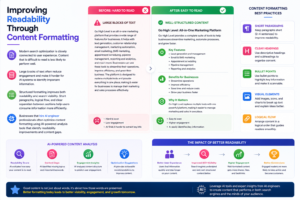
Improving Readability Through Content Formatting
Modern search optimization is closely connected to user experience. Content that is difficult to read is less likely to perform well. Large blocks of text often reduce engagement and make it harder for AI systems to identify important information.
Structured formatting improves both readability and search visibility. Short paragraphs, logical flow, and clear separation between sections help users consume information more efficiently.
Businesses that hire AI engineer professionals often optimize content formatting using AI-powered analysis tools that identify readability improvements and content gaps.
Aligning Content With Conversational Search Behavior
Search behavior is becoming increasingly conversational. Instead of typing short keyword phrases, users are now asking complete questions through voice assistants and AI-driven search platforms. Content should reflect this shift by using natural language and addressing common user questions directly.
For example, instead of targeting only short keywords, businesses should create content that answers detailed queries in a conversational tone. Organizations that hire AI developers often use AI systems to analyze conversational search patterns and identify emerging trends. This helps businesses create content that aligns with how users interact with modern search technologies.
Building Context and Topical Authority
AI systems prioritize websites that demonstrate expertise and topical depth. Instead of creating isolated pieces of content, businesses should develop interconnected topic clusters that support broader subject authority.
For example, an article about AI summaries may connect to related topics such as SEO strategy, content optimization, and search intent analysis.
This interconnected structure helps search systems understand the overall expertise of the website. Companies working with experienced AI specialists often develop comprehensive content ecosystems that strengthen authority and improve search visibility.
The Role of Technical SEO in AI Visibility
Content quality alone is not enough. Technical optimization also plays a major role in how search engines and AI systems interpret information. Structured data and schema markup help search systems understand content more effectively. These technical enhancements provide additional context about the purpose of the page and the type of information it contains.
Businesses that hire AI developers for hire frequently implement advanced technical SEO frameworks that improve indexing and support AI-driven extraction. At Your Cloud Hub, we help businesses combine content strategy with technical optimization to maximize visibility.
Creating Content That Builds Trust and Credibility
AI systems increasingly prioritize trustworthy and authoritative information. Content must be accurate, consistent, and aligned with user expectations. Websites that publish misleading, outdated, or poorly researched information are less likely to appear in AI-generated summaries.
Building trust requires a combination of expertise, clarity, and consistency. Businesses often collaborate with AI specialists to ensure that content maintains high standards of quality while remaining optimized for search visibility.
The Importance of Content Freshness
Search engines and AI systems favor content that remains current and relevant. Regular updates signal that a website is actively maintained and committed to providing accurate information. Refreshing articles with updated insights, new examples, and revised data helps maintain strong performance over time.
Organizations that hire AI engineer professionals sometimes implement automated systems that monitor content performance and identify pages that require updates. This proactive strategy supports long-term visibility in both traditional search and AI-driven environments.
Preparing for the Future of AI Search
The future of search will be heavily influenced by artificial intelligence. AI-powered systems will continue to prioritize direct answers, conversational interactions, and structured information. Businesses that optimize content only for traditional SEO methods may struggle to remain visible as search behavior evolves. The next generation of search optimization will require a deeper understanding of how AI systems process language, context, and user intent.
Companies that choose to hire AI developers, collaborate with experts who hire AI engineer professionals, and work with experienced AI specialists will be better prepared for this transformation. Featured snippets and AI summaries are reshaping the digital search landscape. Businesses can no longer rely solely on traditional SEO tactics if they want to remain competitive.
Content must be structured clearly, written with user intent in mind, and optimized for both readability and AI interpretation. By focusing on logical organization, direct answers, conversational language, and technical optimization, businesses can improve their chances of appearing in AI-generated results.
Understanding How AI Reads and Interprets Content
To optimize content for featured snippets and AI summaries, businesses must first understand how AI systems process information. Unlike traditional search engines that relied heavily on keyword matching, modern AI systems focus on context, semantic meaning, and user intent. These systems analyze relationships between words, sentence structure, topic relevance, and overall clarity. This means content should be written in a way that mirrors natural human communication while still maintaining strong organization and accuracy.
Businesses that hire AI developers often create advanced content systems that evaluate readability, contextual relevance, and semantic structure before publishing. At Your Cloud Hub, we help organizations build content frameworks designed specifically for AI interpretation and modern search behavior.
Creating Content Around Search Intent
One of the biggest shifts in modern SEO is the focus on search intent rather than just keywords. AI systems are designed to understand why a user is searching for something, not just what words they typed. For example, a user searching “how to optimize for AI summaries” is likely looking for actionable guidance rather than a basic definition.
Content that aligns with this intent performs better because it directly addresses user expectations. Organizations that hire AI engineers often use AI-powered tools to analyze intent patterns and identify the types of answers users are seeking. This allows businesses to create highly relevant content that aligns with modern search algorithms.
Structuring Content for Scan ability
Both users and AI systems prefer content that is easy to scan. People rarely read every word on a page. Instead, they skim headings, subheadings, and highlighted sections to locate the information they need quickly. AI systems behave similarly by scanning content structure to identify the most relevant sections. This is why logical formatting is essential.
Content should flow naturally from one section to another, with each heading introducing a focused topic and each paragraph delivering clear value. Companies working with experienced AI specialists often restructure existing content to improve flow, readability, and extraction potential for AI-driven search systems.
The Growing Role of Semantic SEO
Semantic SEO is becoming increasingly important in the era of AI-powered search. Instead of focusing only on exact keywords, semantic SEO involves creating content that fully covers a topic and includes related concepts naturally.
For example, an article about featured snippets should also address related ideas such as search intent, structured content, conversational queries, and AI-generated search experiences.
This broader context helps AI systems understand the depth and relevance of the content. Businesses that hire AI developers for hire frequently use semantic analysis tools to identify missing topic relationships and improve content completeness.
Building Authority Through Comprehensive Content
AI systems prioritize authoritative content that demonstrates expertise and depth. Short, shallow articles are less likely to perform well in AI summaries because they often fail to provide enough context. Comprehensive content that answers multiple related questions within a topic tends to perform better.
This does not mean content should be unnecessarily long. Instead, it should provide meaningful coverage of the subject while remaining easy to navigate. At Your Cloud Hub, we help businesses create authority-driven content strategies that strengthen visibility across both traditional search and AI-powered platforms.
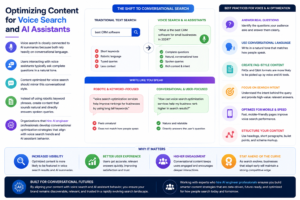
Optimizing Content for Voice Search and AI Assistants
Voice search is closely connected to AI summaries because both rely heavily on conversational language. Users interacting with voice assistants typically ask complete questions in a natural tone. Content optimized for voice search should mirror this conversational style.
For example, instead of using robotic keyword phrases, businesses should create content that sounds natural and directly answers spoken queries.
Organizations that hire AI engineer professionals often develop conversational optimization strategies that align with voice search trends and AI assistant behavior. This helps businesses stay visible as search interactions continue shifting toward conversational experiences.
Improving Engagement Signals Through Better Structure
Search engines and AI systems also analyze engagement signals such as time on page, bounce rate, and interaction quality. Poorly structured content often leads to lower engagement because users struggle to find the information they need. Clear formatting, logical progression, and concise explanations improve user experience and encourage longer interaction times.
This sends positive signals to search systems, increasing the likelihood of improved rankings and AI visibility. Businesses that work with AI specialists often use behavior analysis tools to identify where users lose interest and optimize content accordingly.
The Importance of Contextual Internal Linking
Internal linking is another critical component of an AI-focused content strategy. Links between related articles help search systems understand relationships between topics and strengthen overall site authority.
For example, an article about AI summaries may link to related content about SEO strategy, technical optimization, or conversational search.
This interconnected structure creates a stronger content ecosystem and improves contextual understanding. Companies that hire AI developers often implement intelligent internal linking systems that automatically recommend relevant content connections.
Leveraging AI Tools for Content Optimization
AI itself is becoming an essential tool for content optimization. Modern AI tools can analyze readability, identify structural weaknesses, recommend improvements, and even predict how likely content is to appear in snippets. Businesses using these tools gain valuable insights into how their content performs from both a user and algorithmic perspective.
Organizations that choose to hire AI developers for hire can create custom optimization systems tailored to their industry and audience. At Your Cloud Hub, we help businesses integrate AI-driven optimization tools into their content workflows for continuous improvement.
Adapting to Constant Search Evolution
Search technology is evolving continuously, and businesses must remain adaptable. Strategies that work today may require adjustments tomorrow as AI systems become more sophisticated. This is why content optimization should be viewed as an ongoing process rather than a one-time task.
Regular audits, updates, and refinements are essential for maintaining visibility in AI-powered search environments. Businesses that collaborate with experienced AI specialists are better equipped to adapt quickly and stay ahead of changing algorithms and search behaviors.