


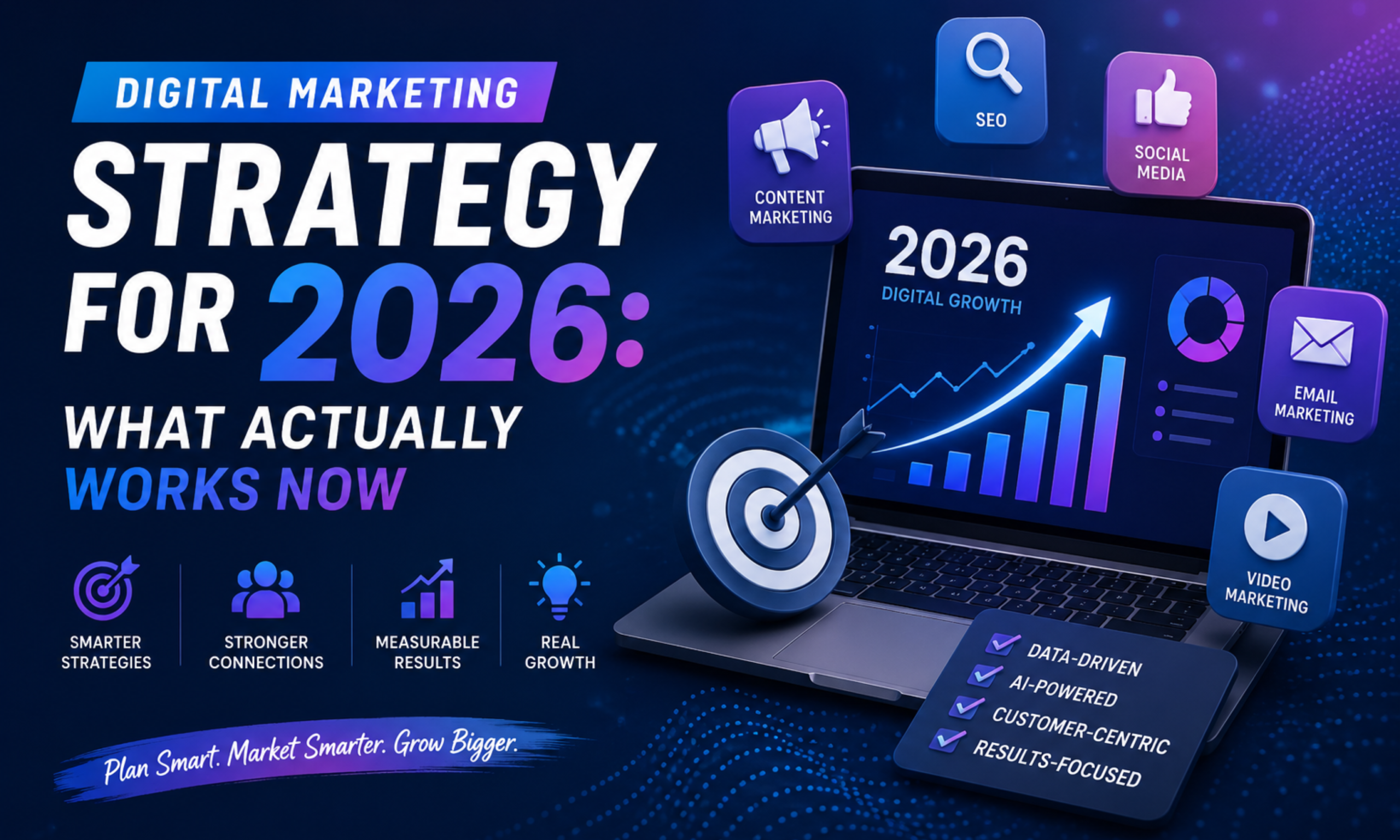
Digital marketing is evolving faster than ever. Strategies that generated impressive results just a few years ago are becoming less effective as search engines, artificial intelligence, customer behavior, and advertising platforms continue to evolve. Businesses entering 2026 face a more competitive digital environment where consumers expect personalized experiences, immediate answers, and seamless interactions across multiple channels.
Many organizations still rely on outdated tactics that focus solely on traffic generation or short-term campaign wins. However, successful digital marketing in 2026 is no longer about isolated activities. It requires a connected strategy that combines SEO, content marketing, user experience, brand authority, conversion optimization, and data-driven decision-making.
Companies that choose to hire SEO consultants and invest in long-term digital growth strategies are positioning themselves ahead of competitors that continue to chase short-term marketing trends. The businesses achieving the strongest results today are focusing on sustainable visibility, customer trust, and integrated marketing ecosystems rather than relying on a single channel for growth.
SEO Remains the Foundation of Digital Marketing Success
Despite the rise of artificial intelligence, social media platforms, and paid advertising channels, search engine optimization remains one of the most powerful digital marketing investments businesses can make. Consumers continue to use search engines as their primary source of information when researching products, services, and solutions. However, SEO in 2026 looks very different from traditional optimization methods. Search engines are placing greater emphasis on authority, expertise, user experience, and search intent rather than simple keyword matching.
Businesses that hire search engine optimizer professionals are increasingly focusing on creating content ecosystems rather than individual pages. Modern SEO strategies prioritize comprehensive topic coverage, technical excellence, and trust-building signals that help websites establish long-term authority.
Rather than chasing rankings alone, successful businesses are using SEO to build visibility across AI-generated search results, featured snippets, local search listings, and informational content hubs. SEO is no longer just a traffic channel—it has become a critical component of brand building and lead generation.
Content Marketing Is Shifting Toward Expertise and Authority
Content continues to be one of the most valuable assets in digital marketing, but quality standards have risen significantly. Search engines and users alike are becoming more selective about the content they trust. Generic articles, keyword-stuffed pages, and repetitive content strategies are rapidly losing effectiveness. In their place, businesses are creating highly valuable resources that demonstrate expertise and provide meaningful solutions.
Companies focused on hiring SEO experts are investing heavily in educational content that addresses customer challenges throughout every stage of the buyer journey. This includes in-depth guides, industry reports, case studies, expert insights, and thought leadership content.
The goal is no longer simply publishing more content. The goal is to become the most trusted source of information within a specific niche or industry. Businesses that consistently create high-quality content often experience stronger visibility, higher engagement rates, and more qualified lead generation opportunities over time.
Search Intent Is More Important Than Keyword Volume
One of the biggest shifts in digital marketing is the growing importance of search intent. In previous years, marketers often focused on targeting high-volume keywords in an attempt to maximize traffic. Today, businesses are realizing that attracting the right audience is far more valuable than attracting the largest audience. Modern search engines are exceptionally skilled at understanding user intent. They analyze whether users are researching, comparing, learning, or actively looking to purchase.
Businesses that hire Google SEO experts often build content strategies around intent rather than search volume alone. They create resources specifically designed to answer questions, solve problems, and guide users toward informed decisions. This approach generates higher-quality traffic because content aligns more closely with what users actually need. As a result, businesses experience stronger engagement, improved trust, and better conversion rates.
User Experience Has Become a Major Ranking and Conversion Factor
A website’s ability to provide a positive user experience has become one of the most important factors influencing both SEO performance and lead generation. Modern consumers have little patience for slow-loading pages, confusing navigation, or poor mobile experiences. Search engines recognize this behavior and increasingly reward websites that provide seamless experiences across devices. Businesses that hire SEO experts in India frequently invest in website optimization initiatives that improve speed, usability, accessibility, and overall user satisfaction.
A well-designed user experience helps businesses retain visitors, reduce bounce rates, and improve conversion performance. More importantly, it strengthens customer trust and supports long-term digital growth. In 2026, businesses that ignore user experience are likely to struggle regardless of how much traffic they generate.
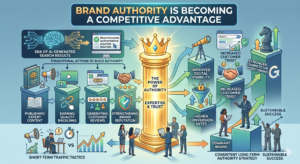
Brand Authority Is Becoming a Competitive Advantage
As AI-generated search results become more common, authority is emerging as one of the most important factors influencing digital visibility. Search engines want to recommend sources that demonstrate expertise and trustworthiness. Customers also prefer engaging with businesses that have established credibility within their industries. Companies that hire SEO consultants are increasingly focusing on authority-building activities such as publishing expert content, earning quality backlinks, generating customer reviews, and strengthening brand reputation.
Authority influences every aspect of digital marketing. It improves search visibility, increases customer trust, enhances conversion rates, and strengthens competitive positioning. Businesses that consistently invest in authority-building strategies often outperform competitors that focus solely on short-term traffic acquisition tactics.
Data-Driven Marketing Produces Better Results
One of the defining characteristics of successful digital marketing strategies in 2026 is the use of data-driven decision-making. Businesses now have access to more customer insights than ever before. From website analytics and user behavior tracking to campaign performance data and customer engagement metrics, organizations can make more informed decisions about where to invest their marketing resources.
Companies that hire search engine optimizer specialists often combine SEO performance data with broader marketing analytics to identify opportunities for growth and optimization. Rather than relying on assumptions, successful businesses use data to understand customer behavior, refine messaging, improve user experiences, and optimize marketing campaigns continuously. The result is a more efficient marketing strategy that produces stronger long-term returns.
Multi-Channel Marketing Is Essential for Sustainable Growth
Consumers no longer interact with brands through a single channel. A typical customer journey may involve search engines, social media, email marketing, online reviews, video content, and direct website visits before a purchasing decision is made. Businesses that focus exclusively on one marketing channel often miss significant opportunities to engage potential customers. Organizations investing in hiring SEO experts frequently integrate SEO with content marketing, email campaigns, social media engagement, and conversion optimization strategies. This multi-channel approach creates a more consistent customer experience while increasing brand visibility across multiple touchpoints.
The businesses achieving the strongest growth in 2026 are those that understand how different marketing channels work together to support the customer journey. Artificial intelligence has become one of the most discussed topics in digital marketing, and for good reason. AI tools are now capable of generating content, analyzing data, automating workflows, personalizing customer experiences, and even assisting with campaign management. However, one of the biggest misconceptions businesses have in 2026 is believing that AI can completely replace strategic marketing expertise.
While AI significantly improves efficiency, it still relies on human direction, creativity, and decision-making to produce meaningful business outcomes. The most successful companies are not replacing marketers with AI; they are using AI to make marketers more effective. Businesses that hire SEO consultants often use AI to accelerate keyword research, content analysis, competitor monitoring, and performance reporting. However, strategic decisions regarding audience targeting, brand positioning, customer messaging, and long-term growth planning still require human expertise.
At the same time, organizations that continue relying solely on manual processes are finding it increasingly difficult to compete with companies that leverage AI-driven efficiencies. The winning formula in 2026 is a combination of human strategy and artificial intelligence working together. Businesses that strike this balance are able to execute campaigns faster, optimize performance more effectively, and create stronger customer experiences.
First-Party Data Is Becoming More Valuable Than Ever
As privacy regulations continue evolving and third-party cookies become less reliable, businesses are increasingly focused on building and leveraging first-party data. First-party data refers to information collected directly from customers through websites, forms, email subscriptions, CRM systems, customer interactions, and purchase behavior. Unlike third-party data, it is owned entirely by the business and provides deeper insights into customer preferences and behavior. Companies that hire search engine optimizer specialists are often integrating SEO strategies with lead generation systems that capture valuable customer information through content downloads, newsletters, webinars, consultations, and gated resources.
The businesses that dominate digital marketing in 2026 are those that build strong customer databases and use that information to deliver personalized experiences. First-party data improves targeting, enhances customer retention, and reduces dependence on external advertising platforms. As privacy expectations continue increasing, businesses that prioritize ethical data collection and customer trust will gain a significant competitive advantage.
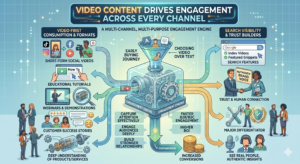
Video Content Continues to Drive Engagement Across Every Channel
Consumer behavior continues shifting toward video-first content consumption. Whether through short-form social videos, educational tutorials, webinars, product demonstrations, or customer success stories, video has become one of the most effective formats for attracting and engaging audiences. Users increasingly prefer watching information rather than reading large amounts of text, especially during the early stages of the buying journey. As a result, businesses that incorporate video into their marketing strategies are often able to capture attention more effectively and build stronger relationships with potential customers.
Organizations focused on hiring SEO experts are increasingly optimizing video content for search visibility as well. Search engines now index and display video content across various search features, creating additional opportunities for visibility and engagement. Video also helps businesses build trust because it allows potential customers to see real people, hear authentic insights, and gain a deeper understanding of products and services. In highly competitive industries, this human connection can become a major differentiator.
Conversion Optimization Is Delivering Higher ROI Than Additional Traffic
Many businesses continue investing heavily in traffic generation while overlooking one of the most profitable opportunities available: conversion optimization. Generating additional website visitors is valuable, but increasing the percentage of visitors who become leads or customers often produces significantly greater returns. Even small improvements in conversion rates can dramatically impact revenue without requiring additional advertising spend.
Businesses that hire Google SEO experts increasingly combine SEO strategies with conversion rate optimization to maximize the effectiveness of existing traffic. This includes improving landing pages, strengthening calls-to-action, simplifying user journeys, enhancing trust signals, and optimizing lead capture processes.
In 2026, successful digital marketing is not just about attracting attention. It is about turning attention into measurable business outcomes. Companies that focus on conversion performance often achieve stronger growth than competitors who focus exclusively on traffic volume.
Customer Trust Is the Most Powerful Marketing Asset
Modern consumers have access to more information than ever before. They can compare products, read reviews, research competitors, and verify claims within minutes. As a result, trust has become one of the most important factors influencing purchasing decisions. Businesses can no longer rely on aggressive sales tactics or exaggerated marketing messages. Instead, customers expect transparency, expertise, authenticity, and genuine value. Organizations that hire SEO experts in India often focus on trust-building strategies that include customer reviews, case studies, thought leadership content, educational resources, and transparent communication.
Trust impacts every stage of the customer journey. It influences whether users click search results, engage with content, submit inquiries, and ultimately become customers. At its core, digital marketing in 2026 is becoming increasingly relationship-driven. Businesses that consistently earn and maintain customer trust will outperform competitors regardless of changes in algorithms, platforms, or technology.
The Future of Digital Marketing Belongs to Businesses That Adapt
One of the few constants in digital marketing is change. Search engines evolve, consumer behavior shifts, technology advances, and new platforms emerge. Businesses that succeed over the long term are rarely those that follow temporary trends. Instead, they are the organizations that adapt quickly while maintaining a strong strategic foundation.
Companies that hire SEO consultants, work with a hire search engine optimizer, focus on hiring SEO expert talent, collaborate with a hire Google SEO expert, or partner with a hire SEO expert India provider are often better positioned to navigate these changes because they invest in expertise rather than shortcuts.
The most effective digital marketing strategies in 2026 combine SEO, content marketing, conversion optimization, data analysis, user experience, brand authority, and customer trust into a unified growth system. Businesses that embrace this integrated approach will continue generating leads, increasing visibility, and building sustainable competitive advantages in an increasingly digital world.