


Website design in 2026 is no longer just about visual appeal. Businesses now need websites that are fast, conversion-focused, personalized, and optimized for user experience across every device. Modern users expect websites to deliver information quickly, guide them smoothly through the customer journey, and create seamless interactions from the first click to the final conversion.
As competition continues to grow online, businesses are increasingly choosing to hire web designer professionals who understand not only aesthetics but also user behavior, conversion strategy, and performance optimization. Modern website design is becoming a critical factor in business growth rather than simply a branding element.
Minimal and User-Focused Design
One of the biggest trends shaping website design in 2026 is the move toward minimal and user-focused layouts. Users are becoming less tolerant of cluttered interfaces, excessive animations, and confusing navigation structures.
Modern websites are being designed with simplicity and clarity at the center of the user experience. Every element on the page is expected to serve a purpose, whether it is guiding visitors toward a call-to-action, improving readability, or supporting navigation.
Businesses that hire website designer professionals are increasingly prioritizing clean layouts because they improve usability, reduce distractions, and help users focus on key actions. Minimal design not only creates a more professional appearance but also contributes to better engagement and higher conversion rates.
Mobile-First Website Experiences
Mobile devices continue to dominate internet usage, making mobile-first design essential for modern businesses. In 2026, websites that fail to deliver seamless mobile experiences risk losing a large percentage of potential customers.
Modern website design now begins with mobile usability rather than desktop adaptation. This includes responsive layouts, touch-friendly navigation, optimized typography, and faster mobile loading speeds.
Many companies choose to hire web designer in India because they can access skilled professionals who create high-quality mobile-first designs while maintaining cost efficiency. Mobile optimization is no longer optional—it is now a foundational requirement for websites that aim to convert effectively.
AI-Powered Personalization
Personalization is becoming one of the most influential trends in website design. Modern websites are increasingly powered by AI systems that adapt content based on user behavior, preferences, and browsing history.
Visitors now expect websites to provide experiences tailored to their specific interests. Personalized recommendations, adaptive messaging, and dynamic content are becoming standard features in high-performing websites.
Businesses that outsource web design projects are often integrating AI-driven personalization systems to improve engagement and create more relevant user experiences. Personalized interactions increase user satisfaction and significantly improve conversion potential.
Faster Website Performance and Optimization
Website speed continues to play a major role in both user experience and search visibility. In 2026, users expect websites to load almost instantly, and even small delays can reduce engagement and conversions. Modern website design trends emphasize lightweight frameworks, optimized media, efficient coding, and performance-focused architecture.
Companies working with a freelance website designer often prioritize balancing visual quality with technical performance to ensure websites remain fast and responsive across devices. Performance optimization is becoming one of the strongest competitive advantages in modern web design.
Interactive and Engaging User Experiences
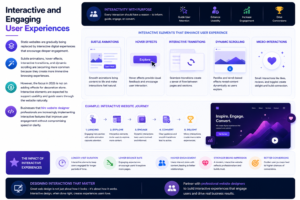
Static websites are gradually being replaced by interactive digital experiences that encourage deeper engagement. Subtle animations, hover effects, interactive transitions, and dynamic scrolling are becoming more common because they create more immersive browsing experiences.
However, the focus in 2026 is not on adding effects for decoration alone. Interactive elements are expected to support usability and guide users through the website naturally. Businesses that hire website designer professionals are increasingly implementing interactive features that improve user engagement without compromising speed or clarity.
Conversion-Driven Website Structures
Modern websites are now designed primarily around conversion strategy. Every page, section, and interaction is expected to contribute toward a measurable business objective. Whether the goal is generating leads, booking consultations, or driving sales, websites are being structured to reduce friction and guide visitors toward action.
This involves stronger calls-to-action, simplified navigation paths, trust-building elements, and strategically positioned content. Businesses that choose to outsource website design projects often work with specialists who combine UX design principles with conversion optimization techniques to improve business performance.
Dark Mode and Adaptive Interfaces
Dark mode continues to grow in popularity as users seek more comfortable and customizable browsing experiences. In 2026, many websites are expected to provide adaptive interfaces that automatically adjust based on user preferences or device settings.
This trend improves accessibility, reduces eye strain, and contributes to a more modern visual experience. Companies that hire web designer professionals are increasingly implementing adaptive design systems that enhance user comfort while maintaining a strong brand identity.
Visual Storytelling and Emotional Engagement
Modern website design is becoming more focused on storytelling and emotional connection. Instead of relying only on text-heavy pages, businesses are using visuals, motion graphics, videos, and immersive layouts to communicate brand identity and value more effectively.
Strong storytelling helps users connect emotionally with a brand, making the experience more memorable and persuasive. Organizations that outsource web design projects often seek designers who understand how to combine visual creativity with strategic communication to improve engagement and conversions.
Accessibility and Inclusive Design
Accessibility is becoming a major priority in website design. Businesses are recognizing the importance of creating experiences that are usable for all audiences, including individuals with disabilities.
Inclusive design includes proper typography, readable color contrast, keyboard navigation compatibility, and support for assistive technologies.
Many businesses that hire web designers in India and global design professionals are emphasizing accessibility to improve usability while meeting modern compliance standards. Accessible websites not only serve wider audiences but also improve overall user experience.
Seamless Integration With Business Systems
Websites are no longer isolated digital assets. In 2026, websites are deeply connected with CRM systems, analytics platforms, marketing automation tools, and AI-driven technologies. This integration allows businesses to personalize experiences, automate communication, and analyze customer behavior more effectively.
Companies that outsource website design projects often prioritize teams that understand both design and technical integration capabilities. The ability to connect websites with broader business ecosystems is becoming essential for scalable digital growth.
Voice Search and Conversational Interfaces
Voice search and conversational experiences are influencing modern website design trends. Users increasingly expect websites to provide direct answers and conversational interactions similar to AI assistants.
This is leading to the rise of conversational interfaces such as intelligent chat systems and voice-optimized content structures. Businesses working with a freelance website designer are beginning to integrate conversational design principles that align with changing user behavior and AI-driven search experiences.
Sustainability in Website Design
Sustainability is also shaping the future of web design. Businesses are becoming more conscious of creating lightweight and energy-efficient websites. Optimized coding, compressed media, and minimal design structures contribute to faster performance while reducing resource consumption.
Companies that hire website designer professionals are increasingly balancing aesthetics, performance, and sustainability as part of their digital strategies. Sustainable design practices are expected to become more important as businesses focus on responsible digital operations.
The Growing Demand for Global Web Design Talent
Remote collaboration has transformed how businesses approach website design projects. Companies are no longer restricted to local talent and are increasingly working with global professionals. Many organizations now hire web designers in India to access skilled expertise, flexible collaboration, and cost-effective design solutions.
The growth of website design outsourcing services has made it easier for businesses to scale projects while maintaining high design standards. This global approach allows businesses to access specialized skills and accelerate digital growth. Website design in 2026 is focused on creating seamless, personalized, and conversion-driven user experiences. Businesses can no longer rely on outdated designs or static websites if they want to remain competitive in a rapidly evolving digital landscape.
From mobile-first design and AI-powered personalization to accessibility, interactive storytelling, and performance optimization, modern website trends are centered around improving engagement and driving measurable results. Companies that choose to hire web designer, collaborate with a freelance website designer, or outsource web design projects gain access to expertise that helps them build future-ready digital experiences.
Data-Driven Website Design Is Becoming Essential
Website design in 2026 is increasingly guided by data rather than assumptions. Businesses are using analytics, behavioral tracking, and performance insights to understand how users interact with websites and what influences conversions. Instead of relying only on visual trends, companies now focus on measurable user behavior such as click patterns, engagement time, navigation flow, and conversion points.
This shift allows businesses to create websites that are optimized for performance and user experience. Companies that hire web designer professionals are increasingly looking for experts who understand both design and data-driven optimization. A successful website is no longer judged only by appearance but by how effectively it supports business goals and user engagement.
Personalized Experiences Are Driving Higher Conversions
Personalization has become one of the most powerful trends in modern website design. Users expect websites to deliver experiences that align with their interests, behavior, and preferences. Generic layouts and static messaging are becoming less effective as audiences demand more relevant interactions.
Modern websites now adapt dynamically based on user activity, location, browsing behavior, and previous engagement. This creates a more customized experience that increases engagement and improves conversion potential.
Businesses that outsource web design projects are increasingly integrating personalization strategies into their websites to create stronger customer experiences. Personalized interactions help businesses build stronger relationships with visitors and encourage repeat engagement.
User Experience Is Directly Impacting SEO Performance
Search engines are placing greater importance on user experience signals when ranking websites. Factors such as loading speed, mobile responsiveness, navigation quality, and engagement rates now play a major role in search visibility.
This means website design and SEO are more connected than ever before. A visually impressive website that performs poorly in usability or speed may struggle to achieve strong rankings.
Many businesses choose to hire web designer in India because they can work with professionals who understand both modern design trends and technical optimization strategies. Websites must now deliver a balance of aesthetics, usability, and performance to remain competitive in search results.
Simplicity Is Becoming More Effective Than Complex Design
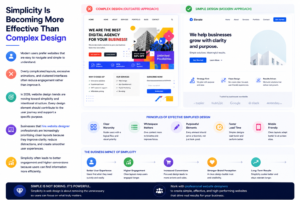
Modern users prefer websites that are easy to navigate and simple to understand. Overly complicated layouts, excessive animations, and cluttered interfaces often reduce engagement rather than improve it.
In 2026, website design trends are moving toward simplicity and intentional structure. Every design element should contribute to the user journey and support a specific purpose.
Businesses that hire website designer professionals are increasingly prioritizing clean layouts because they improve clarity, reduce distractions, and create smoother user experiences. Simplicity often leads to better engagement and higher conversions because users can find information more efficiently.
Emotional Design Is Strengthening Brand Connection
Website design is becoming more focused on emotional engagement and storytelling. Businesses are using visuals, motion design, color psychology, and interactive experiences to create stronger emotional connections with users.
A website that creates an emotional response is more memorable and persuasive. Emotional engagement helps businesses build trust, improve brand perception, and encourage user action.
Organizations working with a freelance website designer often focus on combining visual storytelling with strategic user experience design to create more impactful digital experiences. Emotional design is becoming an important factor in modern conversion strategies.
Artificial Intelligence Is Transforming Website Design
Artificial intelligence is playing an increasingly important role in website design and optimization. AI-driven systems can now analyze user behavior, recommend layout changes, personalize experiences, and optimize content placement automatically. This allows websites to evolve continuously based on performance data and visitor interactions.
Businesses that use website design outsource services are increasingly integrating AI-powered tools into their websites to improve efficiency and adaptability. AI is expected to become a core component of modern web design strategies as businesses seek more intelligent and automated digital experiences.
Interactive Experiences Are Increasing Engagement
Interactive website experiences are becoming more popular because they encourage users to participate rather than passively consume information. Features such as dynamic forms, interactive calculators, quizzes, and personalized recommendation tools create deeper engagement and improve user involvement.
Companies that hire web designer professionals are increasingly investing in interactive design elements that guide visitors through the customer journey and improve conversion rates. Interactive experiences help businesses stand out in competitive digital environments.
Conversion Optimization Is Influencing Every Design Decision
Website design in 2026 is heavily focused on conversion optimization. Every section of a website is now evaluated based on how it influences user behavior and business results. Elements such as call-to-action placement, navigation structure, content flow, and visual hierarchy are carefully designed to improve conversions.
Businesses are no longer creating websites only for branding purposes. They are building digital platforms designed to generate leads, sales, and customer engagement. Organizations that hire website designer professionals are increasingly looking for experts who understand both design and conversion psychology. This combination is becoming essential for building high-performing websites.